XVino Buying Guide and Industry Insights for Value
This guide explains how to evaluate XVino purchases by focusing on quality signals, supplier reliability, and realistic price drivers. Objectively, “XVino” refers to a wine offering whose perceived value depends on grape sourcing, aging choices, labeling transparency, and distribution practices. You’ll also find a practical checklist, comparison conditions, and FAQs to support informed decisions.
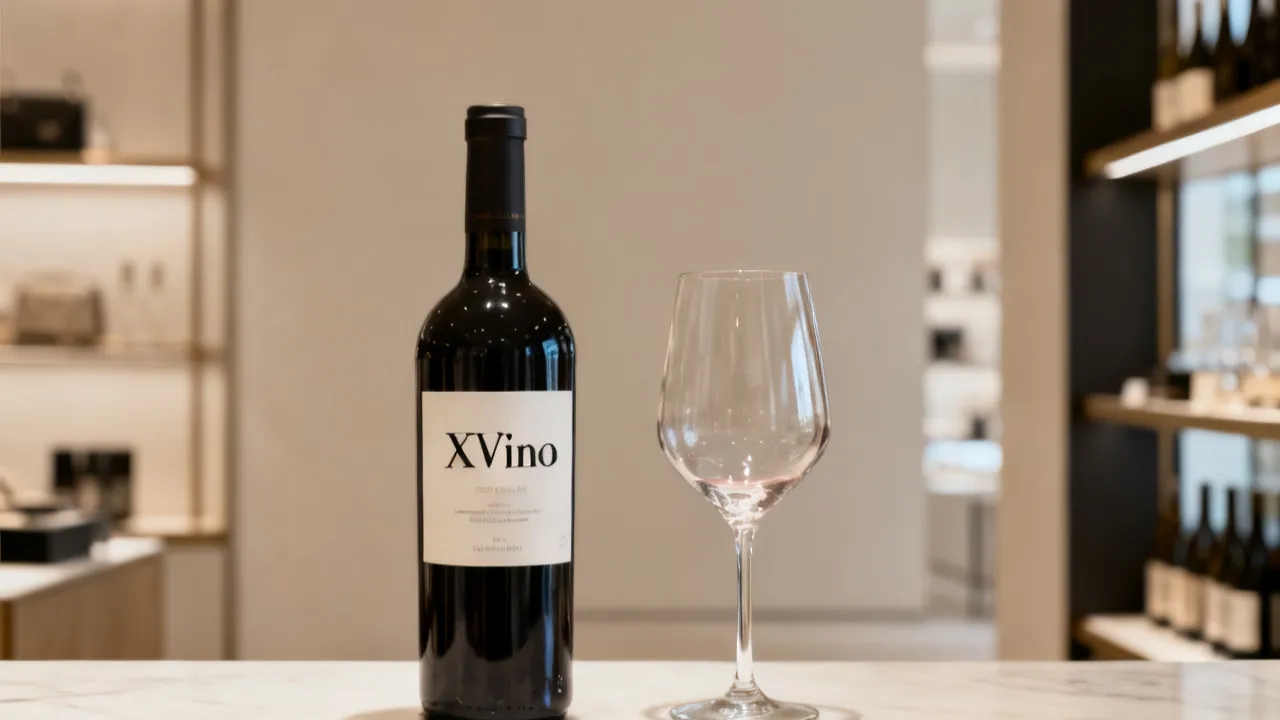
Key considerations for buying XVino with confidence
When considering XVino, the very important step is to assess what you’re truly paying for—origin transparency, production choices, storage conditions, and supplier credibility. A reasonable price can reflect better grape sourcing, careful aging, and consistent distribution, while an unusually low price may indicate compromises that affect aroma, balance, and good satisfaction. Approach your decision as you would any quality-driven beverage purchase: verify details, compare like-for-like, and confirm handling standards.
Because wine is a living product (even when bottled), your enjoyment depends on more than what the label claims at the moment you order. Between the vineyard, the winery, the bottling line, warehousing, picking/packing, shipping, and the time you take the bottle home and finally open it, there are many points where quality can be preserved or undermined. For many buyers, the most difficult part is distinguishing “marketing confidence” from “operational confidence.” That’s why the most reliable approach is evidence-based: look for information that can be checked and verify that the seller’s processes reduce the chance of temperature abuse or shipping damage.
It also helps to adopt a mindset of risk management. You are not only buying a bottle; you are buying a chain-of-custody outcome. If two listings appear similar but one provides far more clarity about origin, bottling, and handling, that seller is often reducing uncertainty for you. Conversely, if details are missing, you may be paying for a convenience assumption—“it will probably be fine”—which can cost you if the bottle arrives compromised.
In practical terms, “buying with confidence” means you can answer the following questions before you pay: What is this wine? Where does it come from? How was it made? How was it stored and shipped? What happens if it arrives damaged or doesn’t meet expectations? The more clearly a seller helps you answer those questions, the more confidence you can have in the purchase.
What “XVino” typically represents in the market
In many wine retail contexts, “XVino” functions as a brand or product line associated with a specific style and set of production standards. Because “XVino” can be used by different sellers or packaging variants, buyers benefit from treating it as a category name rather than assuming uniform composition. Objectively, the quality experience depends less on the label alone and more on documented viticulture and enology practices, including varietal selection, harvest timing, fermentation approach, and maturation method.
One common reason for confusion is that “name recognition” can spread faster than product specificity. A shopper may see “XVino” in multiple storefronts and assume it’s always the same bottle. In reality, several possibilities can occur:
- Different vintages: The same product line can include multiple years. Even within the same style, vintage conditions can shift fruit intensity, acidity, and aging potential.
- Different versions under one umbrella: A brand might sell a flagship bottling plus alternate finishes, reserves, or region selections.
- Different packaging sizes: Some listings might sell 750ml while others offer 375ml or alternative formats, which can influence price and shipping handling.
- Different import or bottling programs: “XVino” might be produced by a producer but bottled and sold through different channels. That can affect labeling details and occasionally the buyer experience.
Because of these variations, the buyer’s best strategy is to treat “XVino” like a partially defined promise. The full promise is only made real when you confirm the measurable attributes: region/sourcing, varietal/blend, vintage (if applicable), alcohol level (if listed), bottling details, and any aging or maturation notes. When the listing includes these, you can compare it meaningfully across sellers and decide whether the bottle you’re receiving matches what you want to drink or serve.
It’s also worth noting that consumers sometimes use “XVino” as a shorthand for “the kind of wine I like.” That’s legitimate, but it increases the importance of verifying the style. Two bottles might both be described as “XVino,” yet one might be a crisp, high-acid expression while another might be a richer, oak-influenced style. Your confidence increases when the listing helps you connect the name to the sensory profile you want.
How price is usually determined for wines like XVino
Instead of relying on vague price impressions, examine the primary cost drivers that influence what a buyer ultimately sees at checkout:
- Grape sourcing and appellation framework: Wines tied to clearly defined growing regions tend to price differently than blends with less transparent sourcing.
- Vintage and aging strategy: Extended aging (or specific oak regimes) often affects cost due to time, storage, and quality control.
- Packaging and logistics: Protective packaging, insured shipping, and temperature-aware distribution can add cost but also reduce damage risk.
- Supplier margins and channel type: Direct distribution, importer-run programs, or reseller models can lead to different price points for the “same-looking” product.
- Consistency and testing: Routine lab checks and sensory panels contribute to reliability—and often correlate with a steadier overall experience.
Industry perspective: Wine buyers commonly interpret price as an indicator of quality, but professional procurement notes that price is also a reflection of the chain-of-custody—how wine is handled from cellar to consumer. A mid-range price for a well-managed supply chain can outperform an inflated premium offered without verifiable handling standards.
Another practical reality is that pricing can include hidden economic factors that don’t show up as “quality.” For example, a seller may have:
- Older inventory: Less frequent turnover can influence how fresh the wine tastes after shipping delays.
- Seasonal shipping behavior: Some sellers adjust dispatch speed based on weather risk, which can influence flavor stability.
- Different return costs: If a seller invests more in quality control and is willing to accept returns, some of that cost may appear in the price—often protecting you.
It’s also possible for price to be driven by non-wine factors such as promotional campaigns, bundle discounts, or shipping subsidies. Those can be real deals, but the value depends on whether the underlying bottle details are the same. If the bottle details differ, comparing only the shelf price becomes a mistake.
To interpret pricing confidently, compare listings as if you were purchasing “specifications,” not just “a bottle.” If the listings include similar maturity notes, comparable bottle formats, and similar supplier handling statements, then price differences are more likely meaningful. If the cheaper option provides fewer details, lacks clear dispatch timelines, or cannot answer basic questions about batch traceability, it may be a bargain that becomes expensive when you factor in disappointment or return friction.
Supplier reliability: the difference between “available” and “well-handled”
For XVino, supplier quality matters because wine is sensitive to light, vibration, and temperature swings. A trustworthy supplier should provide information that makes your purchase rational, not just promotional. Look for:
- Clear product metadata: varietal or blend description, region or sourcing notes, volume (e.g., 750ml), and bottling details.
- Responsible handling statements: shipping temperature practices, storage assurances at the seller’s warehouse, and batch traceability.
- Consistent labeling: identical spelling, vintage format, and production notes across listings—small inconsistencies can signal catalog mismatches.
- Customer support and traceability: a process to address cork/closure issues, batch concerns, or delivery damage.
Supplier reliability is not only about “will the bottle arrive.” It’s about “will the bottle arrive as it should have been preserved.” Many buyers focus on the moment of delivery and ignore the preceding conditions. But in practice, compromised wine often shows symptoms that look like “mysterious bad taste,” when the underlying cause is temperature stress, excessive transit time, or storage near heat sources.
A reliable supplier typically communicates in ways that reduce uncertainty. For example, a strong listing often includes:
- Dispatch timelines: how soon the bottle ships after you order.
- Packaging and protection: whether bottles are crated, padded, or shipped with thermal protection during extreme weather periods.
- Batch information: at least a bottling or batch code, and ideally vintage clarity.
- Consistent catalog information: no sudden label changes without explanation.
In contrast, a less reliable supplier might still deliver a fine bottle sometimes, but the process is less predictable. Predictability matters when you want to serve XVino for a special occasion, host guests, or gift someone who expects the experience your label suggests. If you’re buying for an event, you should treat supplier reliability as a core ingredient in the final product quality.
It’s also helpful to check how the supplier handles problems. A good supplier will respond to issues with clear next steps: replacement, refund, or quality investigation, and it will request relevant information such as photos, batch details, and delivery conditions. The faster and clearer that process, the more confidence you can have in the purchase.
What “good value” looks like for XVino
To evaluate value, compare like-for-like rather than focusing on a single number. A practical objective approach is to examine:
- Style match: Is the intended profile (e.g., dry vs. off-dry, light vs. structured) consistent with what the label claims?
- Production transparency: Are aging and blending decisions documented in a way that you can understand?
- Service conditions: Is the supplier likely to keep the bottle within a stable range until shipment?
- Expected use case: If you plan to open it soon, freshness cues matter differently than if you plan to cellar.
In professional wine retail, value is often defined as the point where your likely enjoyment (aroma clarity, balance, texture, and finish) matches the risks of variability across batches.
Value is not always the cheapest price per bottle. Sometimes the “best deal” is the listing that reduces uncertainty. For example, two bottles might cost the same, but one seller ships faster and provides better packaging and handling assurances. In that case, the bottle with stronger chain-of-custody support may taste better even if the wine itself is similar. On the other hand, sometimes a higher price includes additional aging or reserve selection that truly changes the sensory experience. Good value recognizes both: reduced risk and genuine quality inputs.
To spot genuine value, you can ask yourself questions during your comparison:
- Does the listing give you enough specifics to predict how it will taste? If yes, you are buying something less ambiguous.
- Is the seller transparent about how the wine was handled? If yes, you can predict a more consistent outcome.
- Does the seller provide realistic guidance for when to drink? If yes, you avoid timing mistakes.
- Would you still choose it if it were not on sale? That helps you avoid confusing “promotion” with “quality.”
Many buyers also consider the cost of replacement. If a wine doesn’t meet your expectations and the seller’s return policy is hard to use, a “cheap” bottle can become expensive. Value, therefore, includes not just the unit price but also the likelihood that you’ll be satisfied, plus the ease of resolution if you aren’t.
Consumer conditions and requirements before purchase
Because XVino listings can vary by seller, confirm these conditions/requirements to reduce uncertainty. Use them as a buyer checklist before committing to a purchase decision.
While you might want to treat your first purchase as “try and see,” it’s smarter to treat it as a controlled evaluation. That means collecting enough information to understand your expectations and enough evidence to troubleshoot if something goes wrong later. Even if you ultimately don’t use the full checklist, running through it improves decision quality.
| Check | What to look for | Why it matters |
|---|---|---|
| Label clarity | Varietal/blend description, region or sourcing, alcohol % (if listed), bottling/batch notes | Supports comparability and reduces mismatch risk |
| Supplier handling | Temperature-aware shipping or storage assurances; clear dispatch timelines | Protects flavor integrity |
| Price reasonableness | Compare against similar style and production notes from other reputable sellers | Avoids paying for noise or missing hidden costs |
| Closure and condition policy | Return/replace policy for damaged deliveries; guidance for storage on arrival | Improves outcomes if issues occur |
| Intended consumption window | Freshness or aging suitability guidance consistent with the style | Prevents disappointment from wrong timing |
To make this table even more actionable, consider how you personally will use XVino:
- If you’re drinking within days: freshness, dispatch speed, and storage during transit become more important than complex aging promises.
- If you’re gifting: packaging quality, consistent labeling, and return policies matter because you want the experience to match the expectation.
- If you’re hosting: you may want to open and evaluate a bottle early to ensure it’s ready in taste and condition, and you want a supplier that helps you replace it quickly if there’s a problem.
- If you’re cellaring (only when appropriate): you need accurate vintage/bottling information and confidence that the wine will not be heat-stressed before it reaches your storage.
Step-by-step buying guide for XVino
Below is a straightforward method that aligns with how trade buyers evaluate risk and quality. Use it from the first search to the final decision.
- Define your goal: Decide whether you want XVino for immediate drinking, hosting, gifting, or longer storage.
- Compare like-for-like listings: Match on region/sourcing claims, style cues, bottle size, and any aging information provided.
- Assess the supplier’s credibility: Prefer sellers that explain handling practices and provide clear product metadata.
- Evaluate price drivers: If one listing is materially cheaper, check whether it has fewer production details, different packaging, or weaker handling assurances.
- Check delivery conditions: Look for dispatch speed and secure packing notes; consider seasonal temperature risks.
- Plan storage after delivery: Keep the bottle away from heat and strong light; store horizontally if you expect to hold it.
- Record batch details for repeat purchases: If you find a XVino bottle you love, note the batch/vintage and seller, then reorder through the same reliable channel.
To deepen the method, it can help to create a simple “confidence score” as you review sellers. You can do this informally with notes:
- Specification confidence: Does the listing clearly state varietal, region, vintage, and bottling/batch?
- Handling confidence: Does the seller mention storage and shipping precautions?
- Resolution confidence: Do they clearly state how they handle damage or dissatisfaction?
- Consistency confidence: Are the label details and metadata consistent across listings or batches?
You don’t need to use a numeric score. The purpose is to separate “I think it will be fine” from “I have evidence the supplier will protect quality.” When you do that, even if you end up paying a little more, you can feel confident that the purchase is less likely to disappoint.
Another practical step is to confirm compatibility with your preferences. For instance, some shoppers prefer wines with crisp acidity, others prefer softer fruit and oak influence. If the listing provides tasting notes or style descriptions, treat those as hypotheses. Your job is to compare hypotheses across sellers until you find the one that best aligns with your palate and your planned use case.
How to interpret tasting signals without speculation
When you open XVino, use a structured, non-hyped evaluation. Professional tasting focuses on repeatable sensory categories rather than personal buzzwords. Consider:
- Aroma clarity: Are fruit notes distinct, and do they integrate naturally?
- Acidity and balance: Does it feel sharp, dull, or well-structured for the style?
- Tannin and texture (for reds): Are tannins resolved or overly drying?
- Finish: Does the flavor fade quickly or remain coherent?
If the bottle tastes muted or shows off-notes, treat that as a handling or batch outcome—contact the supplier if the issue aligns with arrival damage or documented policies.
To interpret signals without speculation, separate what you can observe from what you can only guess. For example:
- Observe the glass: Is the wine clear, or does it show unusual cloudiness?
- Observe the aroma: Are there clear fruit or floral notes, or is there damp cardboard, volatile sharpness, or a “stale” character?
- Observe the mouthfeel: Does it taste flabby (too soft), sharp (too acidic), or imbalanced?
- Observe the finish: Does it linger coherently, or does it drop off quickly?
Some off-notes can be associated with typical wine defects, such as cork-related issues, oxidation, or heat damage. While it’s not necessary to diagnose like a lab, your goal is to determine whether the wine seems consistent with its stated style. If it clearly deviates, your next step is not guessing. Your next step is gathering evidence (photo of label, bottle condition, batch details) and communicating with the seller under their resolution policy.
For example, if the wine shows a “baked fruit” impression and muted acidity, heat exposure is a plausible cause, especially if the shipping timing occurred during hot weather. If the wine tastes “sharply off” or has a musty note, closure-related issues could be involved. In both cases, you don’t need to prove the exact mechanism to request help; you need to provide enough information to let the supplier investigate.
It’s also useful to avoid over-correcting. If you suspect serving temperature is wrong, do a controlled adjustment: pour a small amount, wait a few minutes, compare aromas at different temperatures, and only then decide the bottle might be compromised. Serving conditions can dramatically change perception. Overcorrecting without controlling variables can lead to false conclusions about bottle quality.
Quality assurance and what “traceability” should mean
Traceability is not a marketing flourish; it is a practical mechanism that helps retailers and consumers address problems. For wines like XVino, objective traceability includes batch codes, bottling dates or periods, and consistent label documentation. If a seller provides only generic descriptions without any batch reference, your ability to resolve issues decreases.
Trade professionals typically aim for a “two-point verification” approach: verify the label information and verify the seller’s handling and dispatch practices. Together, these reduce the chance that you receive a bottle whose condition has deteriorated due to transit conditions.
To understand traceability more concretely, think about what a supplier would need to answer if something goes wrong:
- What exactly was shipped? This includes bottle format, vintage (if applicable), batch or bottling reference, and SKU.
- Where was it stored before shipment? This includes whether it was kept away from heat and excessive light exposure.
- How was it packed and shipped? This includes packaging type and any temperature-aware practices during dispatch.
- When did it ship? A delay can increase the chance of exposure to unfavorable conditions.
A seller that truly supports traceability will not only list details but will also be able to retrieve them if you report an issue. In practice, this means you should see clear metadata at checkout or in the product description, and you should be able to reference it when contacting support.
Traceability also matters for repeat purchases. If you reorder a favorite XVino bottle, you want the closest match to the experience you previously enjoyed. Without traceability information, you may accidentally reorder a different batch or variant, and then misinterpret a different taste as “inconsistency.” With traceability, you can pinpoint whether your preferences changed, whether the bottle differs by vintage, or whether the supplier’s stock is genuinely different.
When comparing sellers, you can treat traceability as a proxy for operational maturity. It often correlates with better recordkeeping, better dispatch planning, and clearer communication, all of which enhance your outcome as a buyer.
Practical guidance for pairing and serving XVino
Pairing is an enjoyment amplifier, but it should be grounded in the wine’s stated or observed profile. Use the following objective serving heuristics:
- Temperature: If XVino is a lighter style, serve slightly cooler; fuller styles generally benefit from modest warmth to release aromatics.
- Glassware: Use an appropriate bowl size and shape to avoid masking aromas.
- Food alignment: Match intensity—strong-flavored dishes can overpower delicate wines, while overly acidic foods can clash with certain structures.
When hosting, consider opening and tasting a small pour first. That way, you can adjust serving temperature or pairing choices on the spot.
Serving is not just a “taste enhancement.” It’s also a reliability tool. When you serve at the correct temperature and in the right glass, you reduce the chance that perception errors lead you to believe the bottle is defective. If you’re evaluating a newly purchased XVino, controlled serving is the first diagnostic step.
To make pairing practical, try this simple framework:
- Choose the role of the wine: Is it meant to be refreshing (high acid or bright fruit), supportive (food-friendly balance), or expressive (rich texture, aromatic intensity)?
- Match the dominant flavor in food: For example, if your dish is fatty, you often want enough structure in the wine to handle it. If your dish is spicy, you often want a wine profile that won’t feel abrasive with heat.
- Consider how the food changes acidity perception: Some cuisines can make wines taste sharper or flatter depending on seasoning and sauce composition.
Here are some general pairing heuristics you can apply without overcomplicating it:
- If the XVino is crisp and bright: it often complements seafood, lighter poultry dishes, salads, and dishes with fresh herbs.
- If the XVino is more structured and textured: it often complements roasted meats, richer sauces, and dishes with deeper umami.
- If the XVino has oak influence: it may align with grilled flavors, creamy sauces, or foods where oak notes won’t feel out of place.
Because you didn’t provide the specific style of XVino you’re considering (red, white, rosé, sparkling, sweet, dry), the safest advice is to treat these heuristics as adjustable. Use the label’s stated style profile, then confirm with tasting. That way you avoid “wrong pairing” problems that can look like wine defects.
Local context considerations (when applicable)
You didn’t specify a location to personalize for a particular market, so the guidance above stays globally applicable. Still, the same principle holds across wine cultures: consumers often interpret quality through visible handling cues—such as how bottles are stored in retail environments. In markets where indoor temperature fluctuations are common, choosing a supplier that controls dispatch timing and packaging becomes even more relevant.
Even if the name XVino appears in multiple storefronts, customers in many regions learn that the “top deal” depends on whether the bottle arrives in stable condition—not only on the checkout price.
Local conditions can influence buying behavior in subtle ways. For instance:
- Climate and season: In very hot regions, longer shipping times can produce more visible heat damage. In very cold regions, freezing can cause expansion-related stress and sometimes compromise closure integrity.
- Carrier reliability: If shipping carriers experience delays, the dispatch timeline and packaging become more important.
- Storage norms at retail: Some stores keep bottles in temperature-controlled areas; others may store them in places that fluctuate. If you buy online, your supplier replaces the “store storage” factor.
Because these factors can vary regionally, your best confidence strategy is to choose sellers who explicitly address climate risk. Even if you don’t know what “thermal protection” means in your area, you can look for statements about temperature-aware shipping, padding, and dispatch timing during heat/cold periods.
If you have the option, consider timing your purchase. For immediate consumption, ordering when shipping conditions are favorable can reduce the chance of receiving a compromised bottle. For gifts or events, ordering earlier and choosing a supplier with a strong resolution policy can reduce stress even if it doesn’t guarantee perfect transit conditions.
Industry background: how reliable wine information is typically structured
Professional wine catalogs and importer sheets generally organize product data in a consistent pattern: region or sourcing claim, varietal/blend, alcohol range, production method notes, and bottling characteristics. This structure exists to support consumer expectations and reduce misunderstandings. In that sense, a well-presented XVino listing should offer enough detail that you can anticipate the experience.
For reference on wine sector context and market transparency themes, reputable resources include industry bodies and research organizations such as the OIV (International Organisation of Vine and Wine), which publishes guidance and statistical overviews about viticulture and wine policies. Another broad source is OECD or national consumer protection frameworks when discussing labeling practices. (For exact dataset lookups, consult the latest OIV and national regulator publications.)
It’s helpful to understand that structured labeling and cataloging are not only about “compliance.” They are about reducing ambiguity. When a seller includes consistent attributes—like varietal, region, and bottling information—it becomes easier for you to make comparisons across suppliers and across time. In many cases, this also indicates that the seller has improved their internal systems for catalog management.
When a listing is vague, you may be facing a catalog problem rather than a wine problem. However, the outcome is similar for you: you cannot confidently predict the experience. That’s why your confidence depends on whether the listing gives you actionable data.
In practical shopping terms, the best listings often include:
- Varietal/blend description: This predicts aroma and flavor range.
- Origin: Region or sourcing influences climate-related flavor patterns.
- Vintage (where applicable): This affects fruit character and aging style.
- Alcohol and dryness level: These predict body and pairing compatibility.
- Production or maturation notes: These predict texture, complexity, and service readiness.
If you want to compare wines like XVino across sellers, treat those attributes as your “like-for-like baseline.” When listings differ in those attributes, you are not comparing the same product anymore, even if the brand name is the same.
FAQs about XVino pricing, suppliers, and buying decisions
1) Is XVino always the same wine regardless of seller?
Not necessarily. “XVino” can refer to a brand line, but different sellers may list distinct batches, vintages, or variants under the same name. Compare label metadata and batch/vintage details. Prefer sellers that provide clear product specifications and traceability.
To reduce the risk of receiving a different bottle than expected, check for the following on each listing: the vintage or bottling reference, any reserve or special reserve wording, the alcohol level, and any maturation notes. If two sellers list different alcohol percentages or different aging statements, you should assume they may not be identical.
2) Why does the price of XVino vary so much between suppliers?
Price variation often comes from differences in supplier handling, distribution channel, packaging, dispatch speed, and how much production detail is included in the listing. If one price is significantly lower, verify whether the bottle has similar production and handling claims.
Sometimes the variance comes from inventory age, promotional timing, or the presence/absence of shipping protection. While those can still be legitimate bargains, confidence comes from confirming that the underlying bottle specifications match and that the seller’s delivery practices lower risk.
3) What supplier details should I check first?
Start with (1) clarity of label information (varietal/blend/region/sourcing and bottling notes), (2) dispatch timeline and secure packaging practices, and (3) a concrete policy for damaged delivery or quality complaints.
If you can only check three things, prioritize them in this order: traceability (batch/vintage clarity), handling (shipping/packing assurance), and resolution policy (how quickly and clearly problems are addressed). Those factors influence both the likelihood of satisfaction and your ability to fix issues if they occur.
4) Does higher price always mean better quality for XVino?
Not automatically. Higher price can reflect better sourcing, aging commitments, or reduced handling risk—but it can also be driven by channel margins. Evaluate both the production signals and the supplier’s chain-of-custody practices.
A helpful way to think about this is: higher price might be paying for better wine inputs, or it might be paying for better distribution and protection. If you can verify better handling statements and traceability, price can correlate with quality outcomes. If those verifications are absent, price might correlate with brand positioning or retailer margin rather than your experience.
5) How should I store XVino after delivery?
Store the bottle away from direct sunlight and heat sources. If you plan to hold it, keep it on its side to maintain closure contact where appropriate. Follow any storage guidance stated by the supplier.
Also consider storage stability. Avoid placing wine near appliances, windows with strong afternoon sun, or areas with frequent temperature cycling (like near doors or under HVAC vents). The goal is to reduce temperature swings because they can accelerate changes in aroma and texture over time.
6) What if the XVino bottle tastes off?
First, confirm serving temperature and glassware (some flavors become muted if served incorrectly). If off-notes appear consistent with a handling issue, contact the supplier promptly and provide batch/bottle details and arrival condition information. Use their documented resolution policy.
When you contact the supplier, be factual rather than speculative: describe what you taste and how it deviates from expectations, and reference the batch/vintage and any visible bottle or packing condition. Photos can help, especially if there was damage or if the seal shows visible compromise.
7) Can I use XVino for cellaring?
That depends on the specific variant. If the listing provides aging potential or aging style cues, use them. Otherwise, treat it as primarily a near-term consumption wine and focus on freshness on arrival rather than good storage promises.
For many buyers, the safest approach is to cellar only when you have clear evidence that the wine is designed for it—through vintage selection, reserve statements, or aging recommendations. If those cues aren’t present, your best enjoyment is often achieved by drinking within a sensible window rather than assuming it will improve in storage.
Conclusion: a practical, evidence-based way to shop XVino
Buying XVino is very successful when you treat it as a decision about documented quality and reliable handling, not just a headline price. By verifying label metadata, selecting a credible supplier, and following a step-by-step checklist, you increase the odds that the bottle you open matches the experience the label intends to deliver. Use the comparison conditions table as your quick screening tool, then confirm your final choice through realistic assumptions about distribution and storage.
If you want a final rule of thumb, it’s this: choose the listing that lets you predict the outcome with the least uncertainty. When the supplier provides clear traceability, credible handling statements, and straightforward resolution policies, you’re not only buying wine—you’re buying reduced risk. That is the foundation of confidence, and it’s the difference between a “maybe good bottle” and a consistently satisfying purchase.
-
1

Maintaining Oral Health with Dental Implants for the Elderly
-
2
Leasing a Car: Expert Tips for Your Next Vehicle
-
3
Maintaining Oral Health After Tooth Loss with Dental Implants
-
4
Guide to Senior Living Apartments: Affordable and Comfortable Environments
-
5
Affordable Independent Living: Finding the Right Senior Housing